
Cultural Experiences in Punta Cana: Merengue, Local Markets & Cooking Classes
Discover the Vibrant World of Merengue in Punta Cana
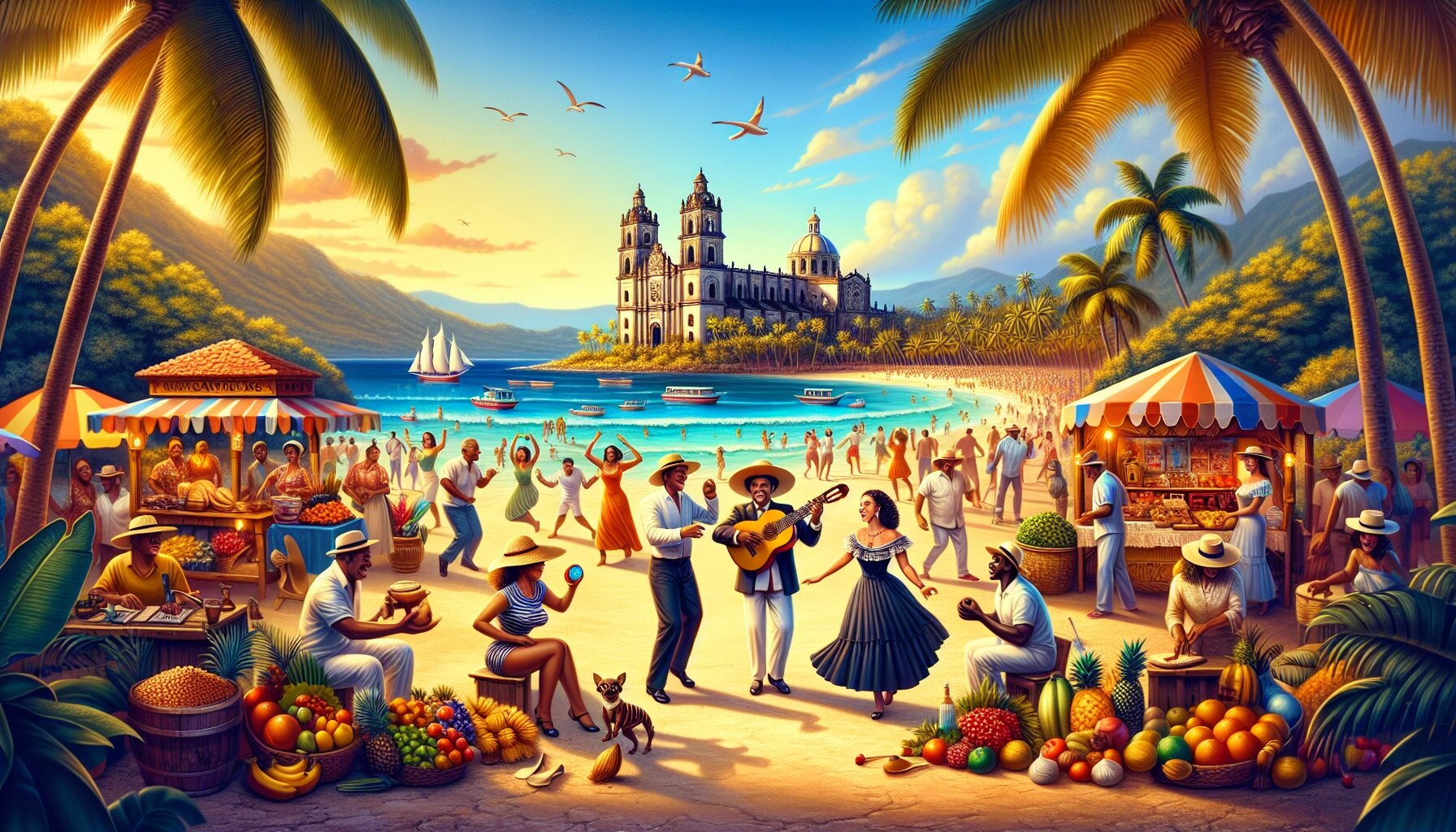
Cultural Experiences in Punta Cana: Merengue, Local Markets & Cooking Classes
Merengue is not just a dance or a genre of music; it is the heartbeat of the Dominican Republic. The vibrant rhythms and infectious energy of Merengue are deeply woven into the cultural fabric of Punta Cana, offering both locals and visitors a thrilling glimpse into the Dominican spirit.
1. History and Origins of Merengue
The origins of Merengue date back to the 19th century, with its roots embedded in the rural regions of the Dominican Republic. This lively form of music and dance is believed to have evolved from a blend of African, European, and indigenous influences. Over the decades, Merengue has transformed from a folk tradition to a national symbol of pride and identity.
Initially, Merengue was performed in small rural settings, using simple instruments such as the tambora (a two-sided drum), accordion, and metal guira. These instruments created a distinct sound that resonated with the spirit of the Dominican peasants. As Merengue gained popularity, it became a staple in urban dance halls and eventually gained international recognition.
The cultural significance of Merengue extends beyond entertainment; it embodies the resilience and joy of the Dominican people. The music tells stories of everyday life, social issues, and the beauty of the Dominican landscape, making it a profound expression of local heritage.
2. Must-Visit Merengue Venues
For those eager to experience the pulsating rhythm of Merengue firsthand, Punta Cana offers a variety of venues where the music comes alive. These spots are perfect for immersing yourself in the vibrant nightlife and lively atmosphere that Merengue creates.
One of the top venues to catch live Merengue performances is Imagine Punta Cana, a unique nightclub set in a natural cave. Known for its electrifying atmosphere, Imagine hosts live bands and DJs playing Merengue and other Latin beats that keep the crowd energized all night. Another popular venue is Coco Bongo, famous for its theatrical shows and diverse music selection, including high-energy Merengue performances.
If you’re looking for a more traditional setting, head to Jellyfish Beach Club and Restaurant, where you can enjoy a beachfront view while listening to live Merengue bands. This venue combines the best of dining and entertainment, offering an unforgettable experience under the stars.
Popular Merengue Venues in Punta Cana
| Venue | Location | Highlight |
|---|---|---|
| Imagine Punta Cana | Punta Cana | Set in a natural cave |
| Coco Bongo | Punta Cana | Theatrical shows with Merengue |
| Jellyfish Beach Club | Punta Cana | Beachfront live music |
3. Learn to Dance Merengue
Dancing Merengue is an exhilarating experience that allows you to connect with the music and the culture on a deeper level. Whether you’re a beginner or an experienced dancer, Punta Cana offers numerous opportunities to learn and enjoy this dynamic dance.
Several resorts and dance schools in Punta Cana offer Merengue lessons that cater to all skill levels. Bachata Rosa, a dance academy known for its experienced instructors, provides both private and group classes. Here, you can learn the basic steps, rhythms, and techniques that define Merengue, all while enjoying a fun and engaging environment.
For a more immersive experience, consider joining a dance workshop at Hotel Riu Palace. These workshops not only teach you the dance moves but also delve into the cultural history of Merengue, offering a holistic approach to learning. Many of these lessons are accompanied by live music, adding authenticity to your dance experience.
Whether you’re looking to enjoy a night out or learn the dance itself, Merengue in Punta Cana offers a cultural adventure that is both exhilarating and enriching.
Exploring Punta Cana’s Local Markets
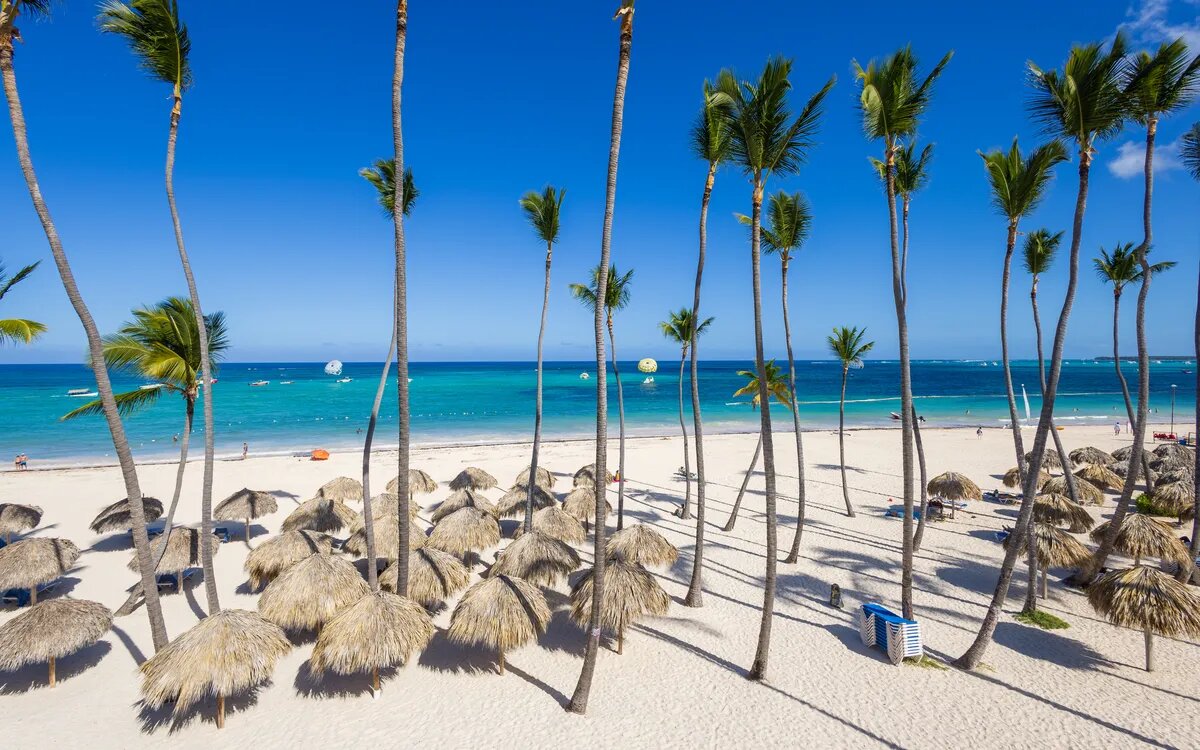
Punta Cana
Immerse yourself in the vibrant atmosphere of Punta Cana’s local markets, where the essence of Dominican culture comes alive through colorful stalls and lively interactions. These markets offer a unique opportunity to engage with locals, explore handcrafted goods, and sample traditional flavors.
1. Top Local Markets to Visit
Diving into the local markets of Punta Cana is akin to embarking on a sensory journey. Two of the most noteworthy markets are the Punta Cana Village Market and the Bávaro Flea Market.
The Punta Cana Village Market, held every Tuesday and Thursday, is a vibrant hub located near the Punta Cana International Airport. Here, you can find a blend of fresh produce, local crafts, and an array of unique souvenirs. It’s a great place to interact with locals and understand the community’s daily life.
On the other hand, the Bávaro Flea Market offers a more extensive selection with its bustling stalls filled with everything from colorful textiles to handmade jewelry. This market is perfect for those looking to explore a wider range of products and engage in the bustling trade atmosphere.
2. What to Buy: Local Crafts and Products
When exploring these markets, a plethora of local crafts and products await discovery. Among the most cherished items are Larimar jewelry and Amber pieces. Larimar, a rare blue stone found only in the Dominican Republic, makes for an exquisite piece of jewelry that symbolizes the Caribbean’s essence. Amber, often containing ancient fossils, offers a glimpse into the island’s ancient history, making it both a unique and meaningful souvenir.
Additionally, don’t miss the chance to purchase vibrant Dominican art, which often depicts lively scenes of local life. These artworks, available in various sizes, serve as beautiful reminders of your cultural journey.
3. Tips for Bargaining Like a Local
Bargaining is a quintessential part of the shopping experience in Punta Cana’s markets, and mastering this art can enhance your adventure. Here are some essential tips:
- Start with a Smile: Approach each interaction with friendliness. A warm smile can set the tone for a more positive bargaining experience.
- Know the Local Language: Learning a few Spanish phrases can go a long way. Simple greetings like “Hola” (Hello) or “¿Cuánto cuesta?” (How much does it cost?) show respect and effort.
- Do Your Research: Before heading to the markets, have a rough idea of the general prices for items you’re interested in. This knowledge can help you negotiate more effectively.
- Be Prepared to Walk Away: If the price isn’t right, be willing to politely decline and walk away. Often, this can lead to the vendor offering a better deal as you leave.
- Cash is King: Always carry cash in small denominations, as it’s the preferred method of payment in the markets.
By following these tips, you’ll not only secure better deals but also enjoy a more authentic and engaging market experience. Exploring Punta Cana’s local markets is more than just shopping; it’s a cultural exploration that connects you with the heart of the Dominican Republic.
Join a Dominican Cooking Class
Embark on a culinary adventure in Punta Cana and discover the vibrant flavors of Dominican cuisine through immersive cooking classes. This experience is not just about learning to cook; it’s about embracing the culture, history, and traditions encapsulated in every dish.
1. Popular Dominican Dishes to Master
Dominican cuisine is a delightful fusion of indigenous, African, and Spanish influences, offering a rich tapestry of flavors and textures. When joining a cooking class in Punta Cana, some quintessential dishes you might learn to prepare include:
- Mangu: A beloved breakfast dish made from boiled and mashed green plantains, typically served with sautéed red onions, fried cheese, eggs, and salami. Its simplicity belies the complex flavors that develop from the careful balance of salty and savory ingredients.
- Sancocho: A hearty stew often called the national dish of the Dominican Republic. This dish is a comforting blend of meats (usually chicken, beef, or pork) and a variety of root vegetables, simmered to perfection with spices and herbs.
- La Bandera Dominicana: Translating to “The Dominican Flag,” this dish represents the Dominican national colors with its combination of rice, red beans, and meat (typically chicken or beef), often served with a side of salad and fried plantains.
These dishes are more than just recipes; they are a window into the Dominican way of life, celebrating family, community, and tradition.
2. Where to Find Authentic Cooking Classes
Punta Cana offers a range of cooking classes that cater to various skill levels, from beginner to advanced. Here are some notable venues where you can dive into Dominican culinary arts:
- Punta Cana Culinary School: Known for its hands-on approach, this school offers immersive classes where you can learn to cook traditional dishes under the guidance of professional chefs. Classes often end with a communal meal, allowing participants to savor their creations together.
- Chef Leandro’s Kitchen: A local favorite, Chef Leandro’s classes are held in a cozy, intimate setting, perfect for those who want a personalized experience. Participants here are encouraged to experiment and infuse their culinary creations with personal flair.
Each cooking class not only teaches you how to prepare authentic dishes but also provides insight into the cultural stories behind them, enriching your understanding of Dominican heritage.
3. The Cultural Significance of Dominican Cuisine
Dominican cuisine is a reflection of the island’s rich history and diverse cultural influences. The food of the Dominican Republic is not just about sustenance; it is a celebration of cultural identity and community.
Food in the Dominican Republic is a social affair. Meals are often shared with family and friends, serving as a time for bonding and storytelling. Each dish carries a piece of the nation’s history, from the indigenous Taino ingredients to the African and Spanish influences introduced during the colonial period.
Understanding Dominican cuisine is key to appreciating the country’s cultural tapestry. It is a journey through time, connecting the past with the present, and an invitation to partake in the shared experiences that define the Dominican spirit.
Beyond the Basics: Unique Cultural Experiences
Immerse yourself in the rich tapestry of Punta Cana’s cultural landscape, venturing beyond the conventional tourist attractions to uncover the hidden gems that tell the story of this vibrant region. From festivals to historical insights, these experiences offer a deeper understanding and appreciation of Dominican culture.
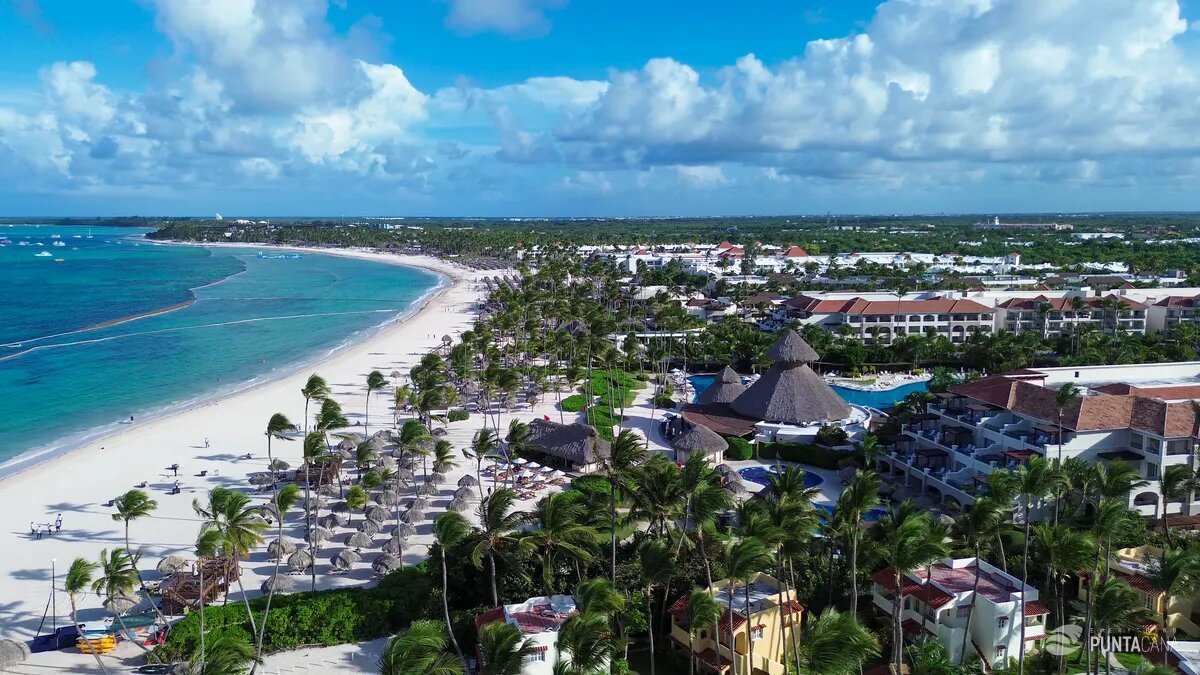
Punta Cana, drone view
1. Participate in Local Festivals
Punta Cana’s local festivals are a kaleidoscope of colors, sounds, and flavors that represent the heart of Dominican culture. These events offer a unique opportunity to engage with the community and experience the authentic spirit of the Dominican people.
Major Festivals in Punta Cana
| Festival Name | Month | Highlights |
|---|---|---|
| Dominican Carnival | February | Parades, masks, and traditional music |
| Merengue Festival | July | Live music, dancing, and local food |
| Festival de la Virgen de Altagracia | January | Religious processions and celebrations |
These festivals are more than just events; they are cultural expressions that showcase the Dominican Republic’s history, beliefs, and artistic talents. Attending them provides an unforgettable experience and a chance to partake in age-old traditions.
2. Visit a Traditional Rum Distillery
The art of rum-making is deeply embedded in the Dominican culture. Visiting a traditional rum distillery offers a fascinating insight into this craft, showcasing the meticulous process that transforms sugarcane into the island’s beloved spirit.
During your tour, you’ll learn about the distillation and aging process, often considered an art form passed down through generations. The visit usually concludes with a tasting session, where you can savor the diverse flavors of Dominican rum.
These tours are not just about the technicalities of rum production; they also highlight the historical significance of rum in the Caribbean, reflecting its role in social and economic spheres.
3. Explore Indigenous Taino Culture
The Taino people were the original inhabitants of the Dominican Republic, and their influence is still evident in contemporary culture. Exploring the Taino heritage allows you to connect with the island’s past and understand the foundation of its present-day cultural identity.
Visit local museums and cultural centers where you can find artifacts and exhibits detailing the Taino way of life, from their spiritual beliefs to their skills in agriculture and craftsmanship. Engaging with this aspect of Dominican culture provides a unique perspective on the evolution of the island’s society.
Whether participating in traditional festivals, touring a rum distillery, or delving into Taino history, Punta Cana offers a wealth of cultural experiences that go beyond the basics, inviting you to explore and appreciate the Dominican Republic’s rich heritage.
Frequently Asked Questions
What is merengue and why is it significant in Punta Cana?
Merengue is a lively and fast-paced style of music and dance that originated in the Dominican Republic. It plays a crucial role in the country’s cultural identity and is celebrated for its energetic rhythm and vibrant dance moves. In Punta Cana, you can experience merengue at local festivals, dance clubs, and cultural events, where both locals and tourists come together to enjoy this iconic art form.
Where can I learn to dance merengue in Punta Cana?
In Punta Cana, you can take merengue lessons at various resorts and dance schools. Many hotels offer complimentary dance classes as part of their entertainment programs. Additionally, local dance studios provide more in-depth classes for those interested in honing their skills. Joining a class is a great way to immerse yourself in Dominican culture and meet new people.
What can I expect to find at local markets in Punta Cana?
Local markets in Punta Cana offer a vibrant array of goods, including fresh produce, handmade crafts, traditional Dominican clothing, and souvenirs. Visitors can also find local spices, coffee, and rum, which are popular items to bring back home. Exploring these markets provides an authentic glimpse into everyday life in the Dominican Republic and an opportunity to support local artisans.
Are cooking classes available in Punta Cana?
Yes, cooking classes are available in Punta Cana and are an excellent way to learn about Dominican cuisine. These classes often cover traditional dishes such as mofongo, sancocho, and tostones. Participants typically get hands-on experience preparing meals under the guidance of experienced chefs, making it a fun and educational activity for all ages.
What should I know before attending a cooking class in Punta Cana?
Before attending a cooking class in Punta Cana, check if the class requires prior registration, as some may have limited spots. It’s advisable to wear comfortable clothing and shoes, as you’ll be standing and cooking. Also, inquire about any dietary restrictions to ensure the class can accommodate your needs. Most importantly, come with an open mind and a willingness to try new flavors and techniques.
How can I ensure a safe and enjoyable experience at local markets?
To have a safe and enjoyable experience at local markets in Punta Cana, keep an eye on your belongings and be mindful of your surroundings. It’s also a good idea to carry cash, as some vendors may not accept credit cards. Bargaining is common, so feel free to negotiate prices. Engaging with vendors respectfully can lead to more enriching interactions and potentially better deals.
What is the best time to visit local markets in Punta Cana?
The best time to visit local markets in Punta Cana is typically in the morning. Arriving early allows you to explore before the crowds and gives you the chance to select from the freshest produce and best selection of goods. Mornings are also usually cooler, making it more comfortable to browse the stalls. Remember that market days can vary, so it’s a good idea to check the schedule in advance.
Updated on: . Author: